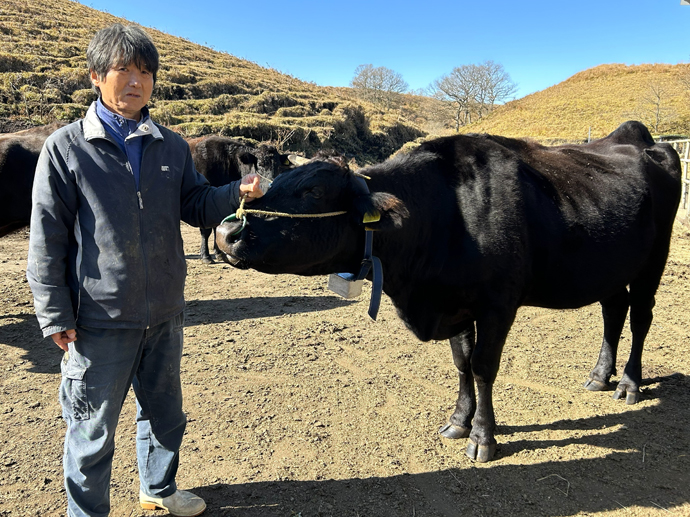
Shimohirakawa Pasture Cooperative Association
Pasture area: 81 ha
Altitude: 765 m
Number of grazing cattle: 7 (Japanese Black cattle)
Number of gateways installed: 1
Number of collars introduced: 7
Number of people managing the pasture: 1
Terrain features: Grazing on partially sloped land
Grazing period: Year-round grazing
― What challenges do you face in grazing management due to Aso’s climate and terrain?
We used to graze cattle in deeper valleys, and there were times when cows would fall. In summer, the grass grows tall, making it very difficult to see where they are. When the fog rolls in, visibility can drop to less than 10 meters ahead.
In those conditions, the only way to check on the cattle is to go to the site yourself. In a barn, you can usually drive a cow toward you if you need to catch it. Out here on the pasture, once they run off, they can keep going endlessly.
People often say grazing is low-cost, but that is only true if you graze cattle that are suited to it. They need to get along well with other cattle and have the right temperament. That is why we mainly graze calm and gentle cows.
― How do you manage feeding and watering?
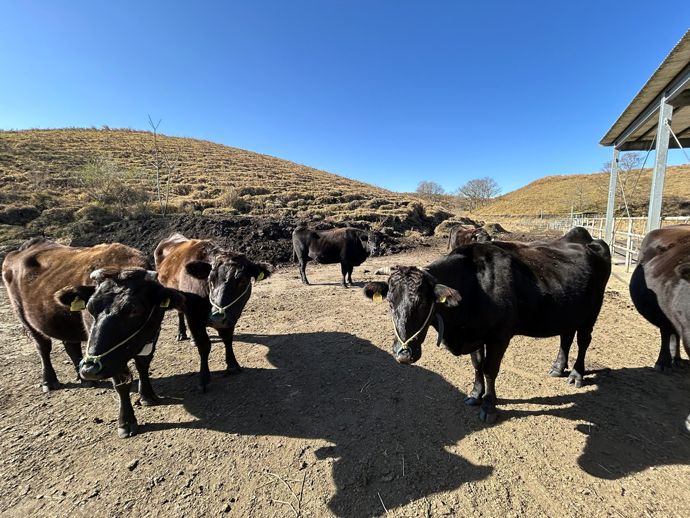
Because we practice year-round grazing, we use rolled feed stored in the warehouse during the winter, when there is no grass. As for water, we bring it every day from the barn, which is about 800 meters to 1 kilometer away.
At first, carrying water felt like a lot of work. But when I think about it, we have to go check on the cattle every day anyway, so having that routine actually keeps us from becoming complacent.
Before renting “Ushimiru,” there were many times when I went out to the pasture and could not find the cows, so I had to come back later. On rainy days or when the fog was thick, it was especially hard to confirm their location visually. Now, even when it is foggy, I can check the app and head out when I see that they are near the feeding area.
― What led you to introduce Ushimiru through the rental plan?
We received information about it from the local government office. They told us this kind of system was available.
I was interested, so I decided to try it and see how it actually worked in practice.
― Did you have any concerns about stress or behavioral changes after attaching the collars?
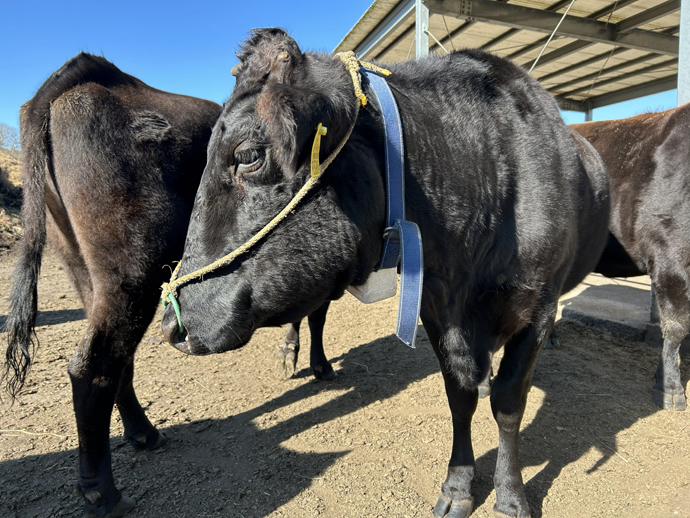
To be honest, if I imagine wearing it myself, the box looks a little large, so I did wonder whether it might feel heavy around the neck all the time. I do not think the cows seem too bothered by it after wearing it, but of course, we cannot really know unless we ask them.
I also sometimes wonder whether it might catch on branches or something similar.
― How do you usually use Ushimiru?
I usually check it once a day before bringing water. Just knowing that the cows are out on the pasture gives me peace of mind and helps me focus on the rest of the day’s work.
When you can work with confidence about where the cattle are, it changes the way you concentrate throughout the day. Working while feeling anxious can even lead to injury. I once got hurt while operating machinery because I was distracted and worrying about other things. At the time, I was so anxious that I did not even notice the pain right away.
That is why being free from that kind of uncertainty is very important in our work.
― How has Ushimiru changed the way you patrol and check the cattle?
If I take a quick look at Ushimiru and see that the cattle are not where they are supposed to be, then I can move on and do other work first. But if I can confirm on Ushimiru that they are gathered together, I know that is the right time to head out.
If there is a cow I am concerned about, or one that is coming into heat, and I have to go out later in the evening after harvest work, I can narrow down the area and search much more efficiently.
― Has Ushimiru improved your work efficiency?
It has definitely improved the timing of when I bring water to the pasture. I can go when I know the cattle are gathered in one place, which makes the work much more efficient.
It also helps when a cow is ready for breeding and I need to call in an artificial insemination technician. It is much easier to judge the right timing. Based on the cow’s location, I can say something like, “She will probably be here around this time in the morning,” and arrange it accordingly.
―Have you noticed anything new about the cattle since introducing Ushimiru?
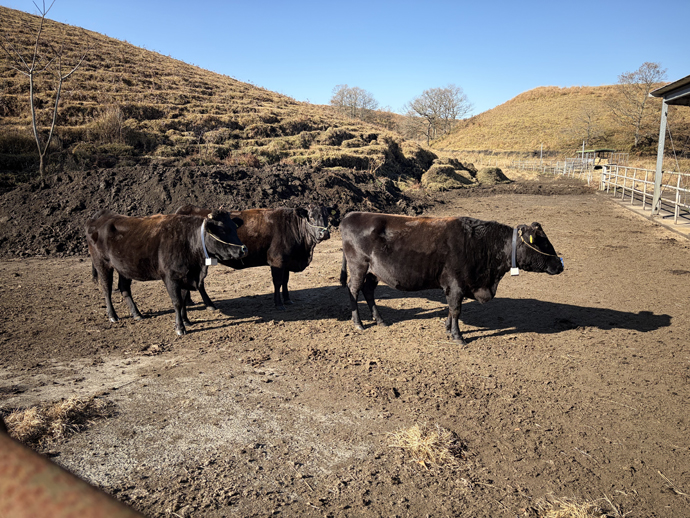
Sometimes they stay together at night, and sometimes they split into separate groups. There are moments when I find myself wondering why they are apart.
― Do you feel the benefits are worth the cost?
I have not calculated it in exact numbers, so I cannot say for sure. But there is definitely a difference between being able to plan the day’s work and not being able to do so.
Even just being able to feel confident that the cattle are there without having to go all the way to the pasture is reassuring for the owner.
― What kind of farm would you recommend Ushimiru to?
If there are many people available, it is easier to rely on manpower. So I think it may be especially useful for farms with fewer people.
When one person is handling everything alone, time management becomes extremely important. I feel Ushimiru helps cover that need very well.
Link destination
