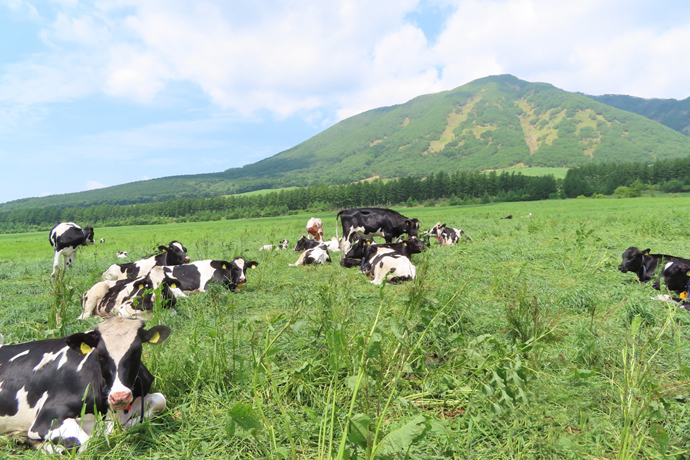
(Shihoro Town, Katō District, Hokkaido)
Pioneering among farms nationwide, Ushimiru collars were adopted for summer grazing. Collars were attached to over 500 entrusted cattle and used for locating and capturing target cows. The cooperative is also assisting with experimental trials using edge for high-activity detection.
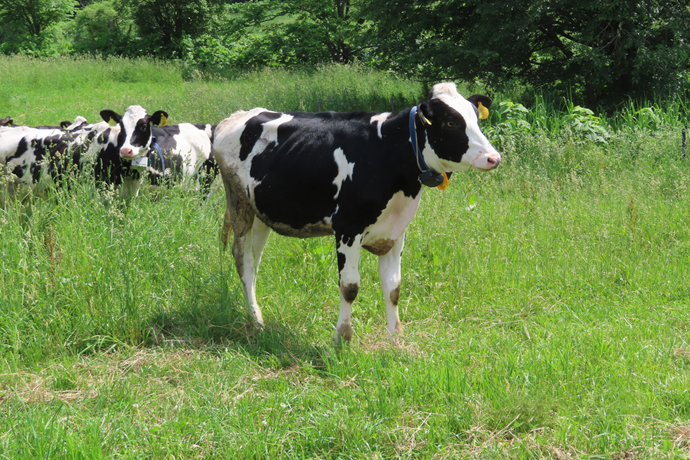
(Etanbetsu-cho, Asahikawa City, Hokkaido)
Ushimiru collars have been installed on approximately 50 grazing cows. This municipal farm is located in Etambetsu, about 40 minutes north of Asahikawa City. The farm is also cooperating in experimental trials of high-activity detection. Ushimiru collars have been installed on approximately 50 grazing cows. This municipal farm is located in Etambetsu, about 40 minutes north of Asahikawa City. The farm is also cooperating in experimental trials of high-activity detection.
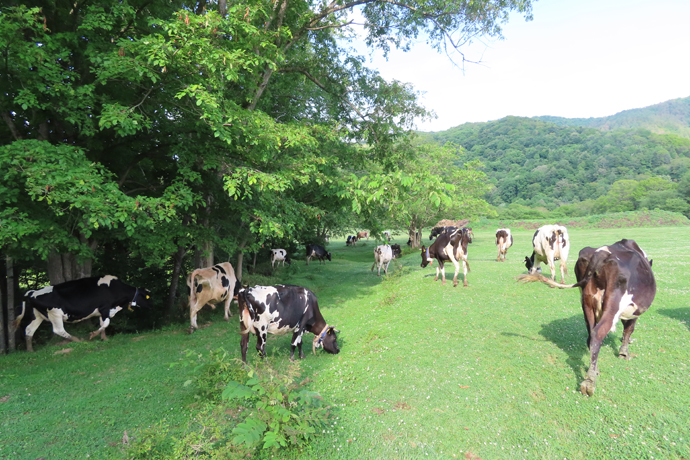
(Kamui-cho, Asahikawa City, Hokkaido)
Saito Farm is a family-run farm located in the outskirts of Asahikawa, Hokkaido. Utilizing the vast natural environment, the farm pursues low-stress cattle management practices. They actively implement animal welfare principles, adopting a grazing style that respects the cows’ natural behaviors.From calf rearing to grazing training with mother cows, each step is handled with care to raise healthy and safe cattle.The farm also works closely with the local community and is committed to sustainable livestock farming.
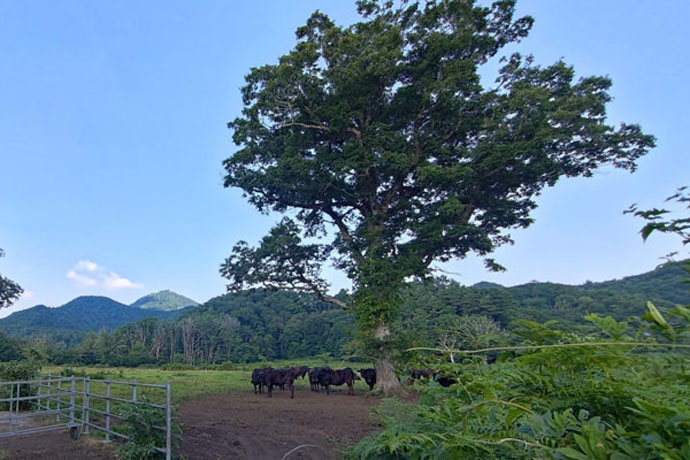
(Kōfu Town, Hino District, Tottori Prefecture)
Located in the mountains of the Chugoku region, the Urinazawa grazing pasture is managed by a single person, overseeing Japanese Black cattle on approximately 33 hectares of grassland. With the pasture a 30-minute drive each way, patrols and checking the cows’ whereabouts used to be a major burden, but by using the Ushimiru collar to monitor location, headcount and movement history, the farm has reduced anxiety about missing animals or accidents and achieved more efficient herd management.
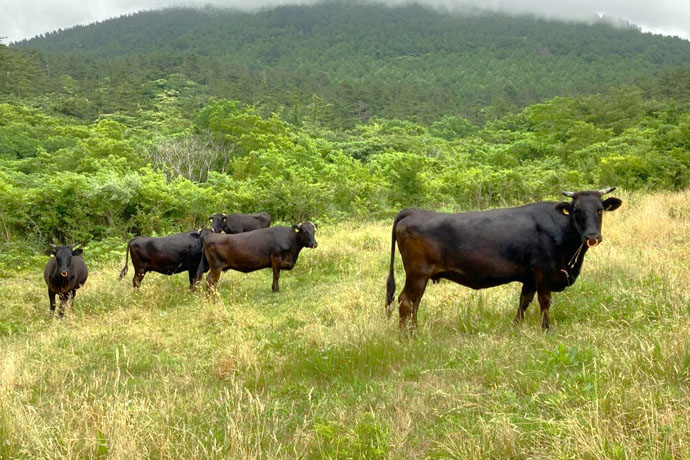
(Sanbe-cho, Ōda City, Shimane Prefecture)
Kawamura Farm, located on the mid-slopes of Mt. Sanbe, manages grazing cattle that do not return to the barn every day. Feeding and searching used to be very time-consuming, but Ushimiru collars now visualize each cow’s location and behavior, greatly reducing the effort and time lost in daily operations.
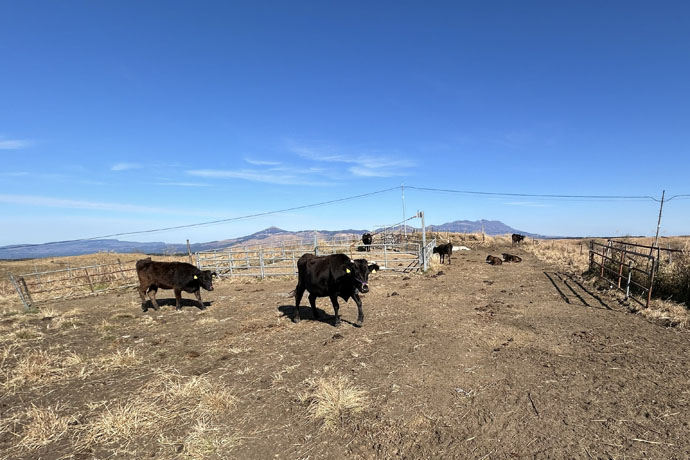
(Aso City, Kumamoto Prefecture)
About 70 head are grazed while rotating among five grazing sections in an environment with running water. We use “Ushimiru” to search for missing cattle and on foggy days when visibility is poor, with a focus on monitoring young cattle and those close to calving. Capturing cows in heat before artificial insemination has also become smoother.

(Ubuyama Village, Kumamoto Prefecture)
One person manages a 55-hectare pasture with continuous hills and deep ravines. We introduced Ushimiru through a rental plan and are building a system that enables us to quickly locate cattle in case of slips, falls, or waterway accidents.

(Aso City, Kumamoto Prefecture)
At 878 meters above sea level in Aso, this vast 443-hectare pasture is used for year-round grazing of Japanese Black cattle. The cattle tend to gather at regular spots around spring water, but deep ravines beyond the flat areas make it difficult to confirm their whereabouts. With “Ushimiru,” we check location data even on days we’re not on duty, strengthening preparedness for accidents and escapes.
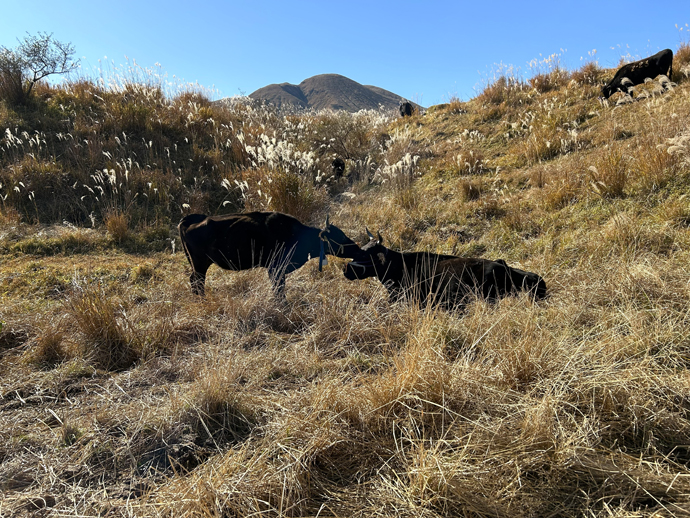
(Aso City, Kumamoto Prefecture)
Kurokawa Bokuya Kumiai manages 370 cattle on a vast pasture with steep slopes and many valleys, where locating cattle during patrols and feeding had been a major challenge. By introducing Ushimiru, they can now check the cattle’s location in advance on a smartphone, reducing the time spent searching across the pasture and easing the daily management burden.
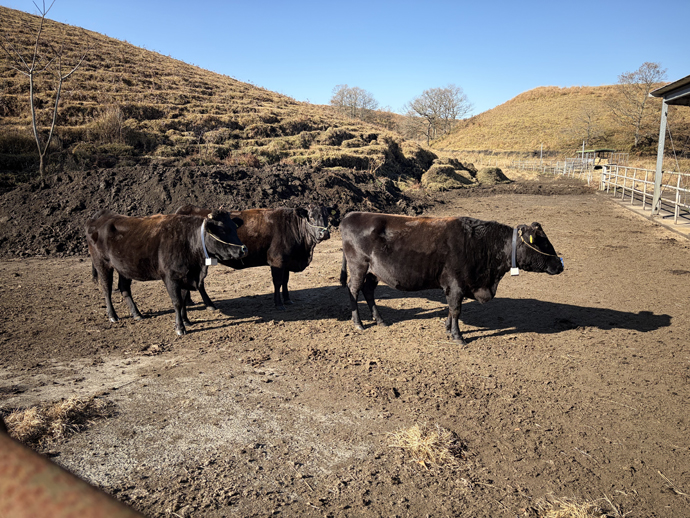
(Aso City, Kumamoto Prefecture)
At Shimohirakawa Bokuya Kumiai, fog and tall grass often made it difficult to locate grazing cattle, creating challenges for daily patrols and work planning. With Ushimiru, they can now confirm the cattle’s location in advance, improving the timing of water delivery and patrols and supporting efficient pasture management with limited staff.
Link destination
